For patients post-surgery or injury, elderly, and people with limited mobility, bed is an essential item for safe recovery and proper rest. Without the right bed, it can get hard for people with medical conditions to heal properly. Regular beds do not have adjustable features that can help seniors and people with chronic illnesses find comfortable positions. On the other hand, medical beds are built to allow for safe adjustments to meet the needs of patients. If you want to understand the differences between medical beds and regular beds, you’re in the right place.
In this blog, we will review the differences between these two types of beds and their uses to help you make the right decision.
Understanding Regular Beds
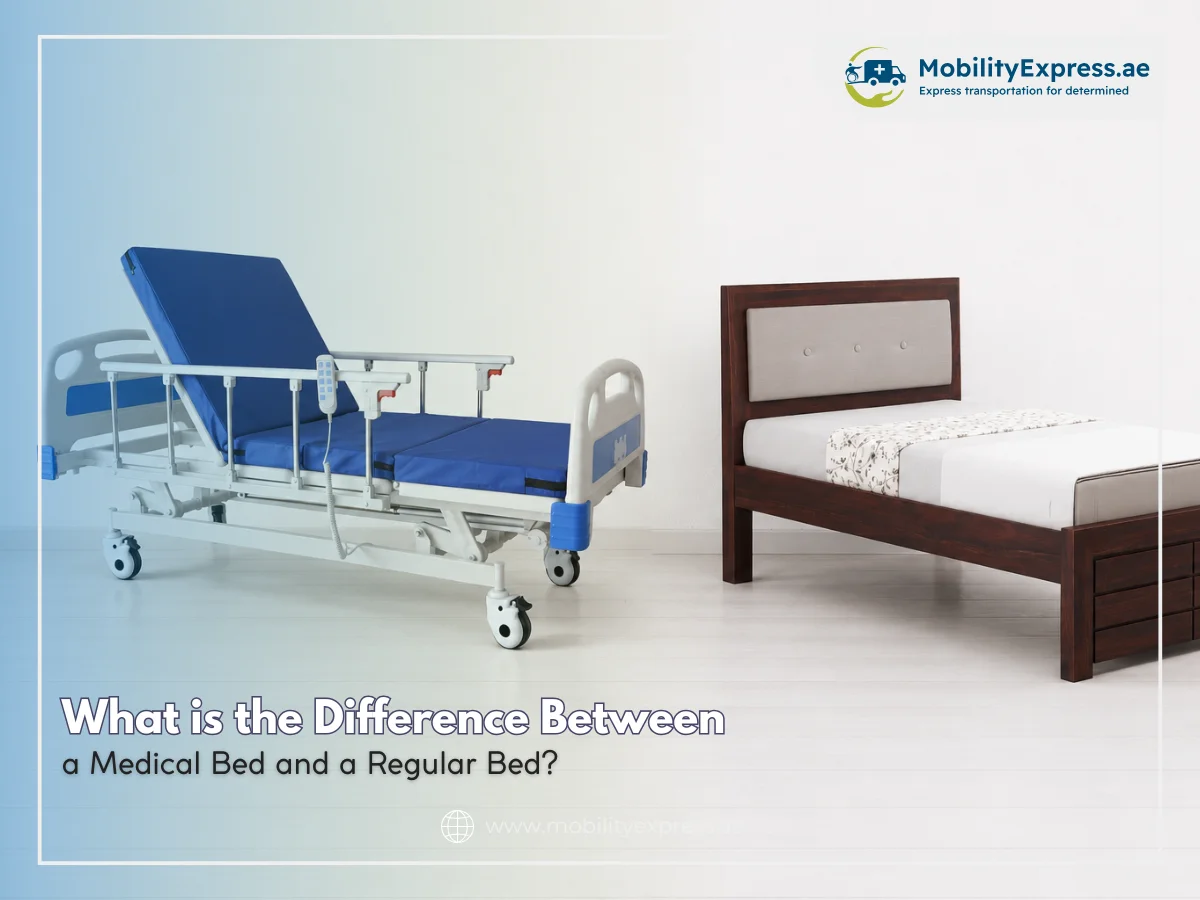
Regular beds are beds that we see in every home, hotels, dorms and other lodging places. There is nothing special other than sturdy bed frame, headboard, and handrails in regular beds. They are made out of wood, metal, or a combination of both. These beds are designed with comfort in mind.
Features of a Standard Bed
A regular bed consists of a fixed frame, a flat mattress, and a simple headboard. They have base design intended for everyday sleeping comfort. These beds are ideal for general household use. They offer stable support for rest but without adjustable positioning or specialized mobility features.
Limitations for Medical Needs
Standard beds do not offer height and position adjustability, which makes it difficult for people with limited mobility to sit up, lie down, or change positions. They also do not provide pressure relief mattresses, transfer assistance, or therapeutic positioning support required for people with long-term care needs.
What is a Medical Bed?
A medical bed (or hospital bed) is an adjustable bed used in hospitals, care facilities, and homes to support patients with health conditions. Unlike ordinary beds, medical beds have adjustable bed boards, headboards, footboards, and heights for better comfort and convenience.
Features of a Medical Bed
Features like adjustable control systems, safety guardrails, mattresses, and wheels for easy movement and positioning, medical beds support people with chronic conditions or recovery needs.
Adjustable Height and Angles (Head and Feet)
Medical beds allow adjustment of the headrest and footrest to improve comfort and better blood circulation. Height adjustability makes transfers in and out of bed safer and easier for caregivers and patients.
Safety Rails, Mobility Aids, and Accessories
Side rails of hospital beds prevent falls and provide support to people with limited mobility when repositioning. Additional accessories like overbed tables, trapeze bars, and pressure-relief mattresses further enhance safety and usability of medical beds.
Compatibility with Medical Devices
Medical beds accommodate equipment such as oxygen concentrators, IV stands, and monitoring devices. Hospital beds support clinical needs while maintaining patient comfort at home or in healthcare facilities.
Types of Medical Beds
Depending on the medical condition, required care level, and home setup, medical beds come in various types.
Manual Beds
Manual medical bed is the most common type that has hand cranks to adjust height and positioning of the bed. This is the cost-effective and suitable for short-term use or situations where you do not require frequent adjustments.
Electric Beds
Electric medical bed uses motorized controls to adjust height and angles with the push of a button. This type of bed offers greater convenience, especially for users who require frequent repositioning or have limited strength.
Hospital-Style vs Home-Care Beds
Hospital-style beds are used in medical facilities and are built for intensive care and frequent monitoring. Home-care beds, on the other hand, provide adjustability and safety features but are designed to blend into residential settings.
Key Differences Between Medical and Regular Beds
Comfort and Adjustability
Regular beds provide a fixed sleeping surface that is not ideal for patients with mobility issues. Medical beds, on the other hand, offer adjustable head, foot, and height positions. They allow elderly and patients with limited mobility to sit up, elevate legs, or reposition easily for comfort, circulation, and medical care needs.
Safety and Mobility Support
Standard beds do not have built-in safety features. Medical beds come equipped with side rails, adjustable height, and positioning controls. They help prevent falls and assist patients when getting in and out of bed, which makes them safer for people with mobility limitations.
Purpose and Target Users
Regular beds are built for general household sleeping use. Medical beds are designed for seniors, patients recovering from surgery, people with chronic illnesses, and people who need long-term home care or clinical support.
Durability and Cost
Medical beds are built with reinforced frames and specialized features to withstand frequent adjustments and caregiving activities. This makes them more durable but also more expensive than regular beds. Standard beds are more affordable but do not provide the adjustable features required for medical or mobility-related needs.
Who Needs a Medical Bed?
Medical beds are ideal for people who require additional support, positioning flexibility, and safety features.
Seniors and Elderly Individuals
As mobility and strength naturally decline with age, many seniors find it difficult to get in and out of a regular bed. A medical bed offers adjustable height and positioning to reduce strain.
Patients with Mobility Challenges or Post-Surgery Recovery
People recovering from surgery or living with mobility limitations need frequent repositioning and extra support. A medical bed allows safe adjustments that promote healing and make transfers easier.
People Requiring Long-Term Home Care
For those having chronic illnesses, disabilities, or long-term conditions, medical beds offer ongoing comfort and safety.
If you need a medical bed in Dubai, you can opt for MobilityExpress. We offer high-quality hospital beds with free delivery and setup.
Benefits of Using a Medical Bed
Promotes Proper Posture and Reduces Pressure Sores
Adjustable features help maintain proper spinal alignment and reduce prolonged pressure on specific body areas. This lowers the risk of developing pressure sores.
Improves Independence for Users
With adjustable controls, you can reposition yourself without constant assistance. It supports dignity and encourages greater independence in daily routines.
Easier for Caregivers to Assist
Height adjustment and mobility features reduce the need for heavy lifting, minimizing physical strain on caregivers.
FAQs
Can I convert a regular bed into a medical bed?
Yes, you can convert a regular bed into a medical bed, but it needs motorized adjustable bases, electric backrests, bed rails for safety, and specialized mattresses that allow for bending.
Are medical beds covered by insurance in Dubai?
Yes, medical beds are covered by insurance in Dubai if deemed medically necessary by a doctor.
What is the lifespan of a medical bed?
A well-maintained medical bed lasts between 5 and 15 years, depending on its build quality, usage frequency, and maintenance practices.
Can I rent a medical bed for temporary needs?
Yes, you can rent a medical bed for temporary needs from MobilityExpress.
How do I choose the right mattress for a medical bed?
The right mattress depends on your medical condition, mobility level, and risk of pressure sores. Pressure-relief mattresses are recommended for people who spend long hours in bed.